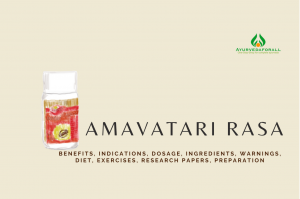
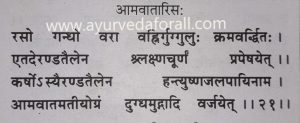
Amavatari rasis an Ayurvedic medicine used in the treatment of inflammatory joint diseases, Rheumatoid arthritis. This tablet contains mineral ingredients along with herbs. This medicine should only take as per the direction by a physician.
Purified mercury and sulphur triturated first to prepare a black coloured mixture known as kajjali. Kajjali grounded with rest of the drugs and castor oil and tablets are made with the size of 1 karsha(12gm)
Detoxification of Parada – Ground with the juice of Aloe vera, Triphala(Terminalia chebula, Terminalia bellerica,Emblica officinalis), root of chitraka (Plumbago zeylanica) each for 7 days.
Detoxification of Gandhaka – fried in ghee and dipped in cow’s milk repeated 7 times.
DOSHA- DUSHYA PREDOMINANCE AND ROGA MARGA
Dosha – This medicine is recommended for the treatment of all vata- pitta predominant diseases.
Classically 1 tablet ( 12gm) once or twice a day after food along with castor oil or lukewarm water
250 mg – 500mg tablets are available or as directed by an Ayurvedic physician.
EXERCISES AND YOGA
Yoga and Pranayama are a set of breathing and stretching exercises respectively, widely practiced in the treatment of many diseases.
Nadi Shuddi Pranayam – for getting calmness to the mind provide overall health
The patient needs to be seated in a meditative posture with the head and spine erect, with the body relaxed. The patient has to close his one nostril (e.g. left nostril if using the right hand and vice versa) with the thumb and exhale completely through the other nostril. Again, he will have to breathe in deeply through the other nostril while the opposite nostril is still closed with the thumb.
Siddhasana – This yogic posture is said to cure pain by awakening the body’s energy centers called the ‘chakras.’
RECOMMENDED DIET AND BEHAVIOUR
Avoid food items that produce vata dosha imbalance like cold and dry food, hard to digest. Because vata imbalance aggravates the symptoms.
Avoid more acrid and sour foods that aggravate pitta dosha. pitta dosha aggravates inflammation.
Consume easily digestible food items.
Avoid heavy exercises that further aggravate painful joint conditions.
2. Anti-Inflammatory and Anti-Arthritic Efficacies of an Indian Traditional Herbo-Mineral Medicine “Divya Amvatari Ras” in Collagen Antibody-Induced Arthritis
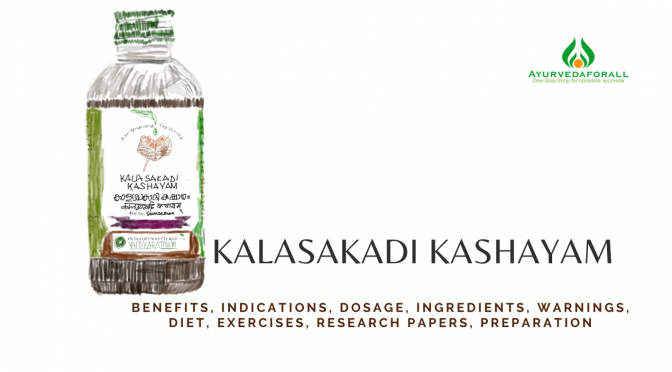
Kaalasaakadi kashayam is an Ayurvedic medicine for treating diarrhoea and other intestinal problems.( Kalasakadi, Kalashakadi, Kaalasaakadi– all are same)
Benefits of Kalashakadi kashayam
Kalashakadi kashayam is a formulation made and used by traditional Kerala Vaidyas for a long time. It was used in many types of digestive disorders in which the main symptom was loose stools. Intestinal infection was very common in those times due to poor hygiene and lack of awareness on the same. In those times many issues like cholera and amoebic dysentery were managed using Kalasakadi kashayam successfully.
Nowadays people are aware of such issues and water-borne diseases are rare. But this combination is useful in diseases like IBS, any type of Diarrhoea, etc
Indications of Kalasakadi kashayam
Soola – Abdominal pain including colic, appendicitis, etc
Third- Dryness of mouth and thirst associated with fatigue
Curry leaves are a part of the daily diet in South India. Besides adding to taste color and flavor to the food, it is an anti-microbial, anti-diarrhoeal herb with phagocytic and cytotoxic activity. It is useful in reducing cholesterol and ulcers.
2. Chebulic myrobalan
Vijaya
Terminalia chebula RETZ. & WILLD.
It is the main drug in Ayurveda, one of the Rasayana and a member of an important group, Triphala. It is used in a wide variety of diseases as it possesses anti-bacterial anti-fungal anti-viral anti-diabetic anti-mutagenic anti-oxidant anti-ulcer and wound-healing properties.
3. Ginger
mahoushadha
Zingiber officinale ROSC.
Ginger has anti-carcinogenic, anti-bacterial, anti-fungal, hypoglycaemic, and atherosclerotic activity.
It is unctuous and hot in potency with pungent taste but becomes sweet after digestion. It is an aphrodisiac and balances Vata and Kapha.
It improves the ability to taste and promotes digestion. Relieves cough cold and other respiratory problems. It is not a laxative, rather causes constipation.
Details of the manufacturing of Kalasakadi kashayam
Kalasakadi kashayam is prepared using its three ingredients with a distinct ratio. Kalasaka, Vijaya, and mahoushadhi should be taken in 6:4:2 ratio.
All these ingredients should be washed well and dried up in shade.
Take the prescribed herbs in dried & crushed form in an earthen pot. For your special attention, Naagara should be crushed and tied up separately in a white clean cotton cloth as a Potali. This is to prevent the excess dissolution of the contents and to maintain the exact consistency of the kashayam. Now add 16 times clean water into it. Make it boil and then cook in the open vessel with low fire. Reduce the quantity into one by the eighth of the initial quantity. Make sure to mix it in between with a ladle without breaking the potli. Also, the fire should be kept low to make sure that all the active ingredients in the herbs needed are absorbed well into the water. Once the quantity is reduced to one by eighth of the initial amount of water, remove the vessel from the fire. Squeeze and drain through a clean white cloth. Collect the decoction in a clean vessel and discard the solid waste. Drink the mild warm decoction.
Dosha Dooshya Predominance with roga marga of Kalasakadi kashayam.
Kalasakadi kashayam is Pitta kapha hara.
It acts on aabhyantara rogamarga
Dosage and Usage of Kalasakadi kashayam
Dosage: two Pala.
Usage:
Kashayam is advised to take in empty stomach, once the ingested food is digested well and aahaararasa is formed well.
Usage of kashayam with prescribed prakshepadravyas according to the condition of disease and the patient gives the best results mostly.
Exercises and Yoga of Kalasakadi kashayam.
As Kalasakadi kashayam targets mainly the respiratory system and abdomen, regular stretching, relaxation techniques, and mild cardio exercises are advised. Also, specific Yogacharya including naadisuddhi pranayama, bhujangaasana, vajrasana, etc is recommended.
Regular exercise helps improve the bioavailability of medicine and food ingested and leads to positive health.
Yoga can maintain harmony within the body and with the surrounding system.
The Food and Drug Administration, United States has not evaluated these statements. This product is not intended to diagnose, treat, cure or prevent any disease. Please consult your GP before the intake.
Dr. Rajesh Nair, the co-founder and chief consultant of Ayurvedaforall.Com, is a graduate of prestigious Vaidyaratnam Ayurveda College (affiliated with the University of Calicut), Kerala, India. Additionally, he holds a Postgraduate Diploma in Yoga Therapy from Annamalai University.
Dr. Nair offers consultation at two busy clinics in and around Haripad, Alleppey, Kerala, the southern state famous worldwide for authentic ayurvedic treatment and physicians. While offering consultation on all aspects of ayurvedic treatments Dr. Nair has a special interest in Panchkarma, Yoga, and Massage.
Through Ayurvedaforall, Dr. Nair offers online consultation to patients worldwide and has served hundreds of patients over the last 20 years. In addition to his Ayurvedic practice, he is the chief editor of ayurveda-amai.org, the online portal of Ayurveda Medical Association of India, and the Secretary of the Kerala State Committee of Ayurveda Medical Association of India.
Dr. Nair is a regular speaker at Ayurveda-related conferences and has visited Germany to propagate Ayurveda. You can write directly to him-rajesh@ayurvedaforall.com
To give you a quick idea about Ayurvedaforall, we are a group of Ayurvedic Practitioners committed to propagating Ayurveda in its best tradition around the world. Our online store sells authentic Ayurvedic formulations backed by professional advice. Now into the Eighteenth year of operation, the site has helped us build a dedicated clientele which regularly uses our products and services as well as refers others to us. Needless to say, this has been achieved through our adherence to the highest standards of customer service and professional ethics.
Akik bhasma / akik pishti is an Ayurvedic medicine used in the treatment of a broad spectrum of diseases including cardiac problems, cough, and eye disorders. This tablet or powder contains mineral ingredients along with fewer herbs. This medicine should only take as per the direction by a physician.
BENEFITS OF AKIK BHASMA
This medicine mainly used in the management of Cardiac diseases.
It is effective in upper respiratory symptoms like a cough.
It helps to maintain body cool.
It is more effective in eye disorders like infection, itching, redness and vision problems
It is effective in acidity and heartburn.
Provide overall health.
As per Ayurvedic classics, it balances pitta dosha.
The finely powdered Agate is grounded with the juices of kumara, ketaki, kadali, and subjected to heat and resultant powder is called Akik bhasma. Rosewater can also be used for the grinding purpose-made for pishti.
DOSHA- DUSHYA PREDOMINANCE AND ROGA MARGA OF AKIK BHASMA
Dosha – This medicine is recommended for the treatment of vata- pitta dosha imbalance. Increased pitta dosha aggravates heart burning, hot flushes of body, acidity
Dushya- useful in diseases affecting rasa, raktha, – action in heart, digestive system
Roga marga – This medicine can be administered in diseases affecting abhyanthara roga marga – digestive system, respiratory system.
125 to 250 mg, once or twice daily after food along with cow’s milk or honey or as directed by an Ayurvedic doctor.
EXERCISES AND YOGA OF AKIK BHASMA
Yoga and Pranayama are a set of breathing and stretching exercises respectively, widely practiced in the treatment of many diseases.
Nadi Shuddi Pranayam – for getting calmness to the mind provide overall health
The patient needs to be seated in a meditative posture with the head and spine erect, with the body relaxed. The patient has to close his one nostril (e.g. left nostril if using the right hand and vice versa) with the thumb and exhale completely through the other nostril. Again, he will have to breathe in deeply through the other nostril while the opposite nostril is still closed with the thumb.
Avoid food items that produce pitta dosha imbalance like more acid, sour and dry food, hard to digest. Because dosha imbalance aggravates the symptoms.
Consume easily digestible food items
Avoid excessive exposure to sunlight.
Avoid smoking, carbonated drinks, and alcohol
Avoid heavy exercise
SIDE EFFECTS AND CONTRAINDICATIONS OF AKIK BHASMA
This medicine should only take as per the direction of the physician.
Taken by children, lactating women and during pregnancy only after consulting an Ayurveda doctor
Improper administration and overdosage lead to side effects.
After starting this medicine check your blood pressure regularly.
Can this medicine be used while taking Allopathic medicines?
Seek your doctor’s advice if you are taking this medicine along with Allopathic medicines.
How long the medicine can be used?
The duration of medicinal administration is based on your stage of the disease. Before taking medicine consult a physician.
Is this medicine habit forming?
This medicine is not habit-forming. After using for a prescribed period gradually decrease the dose and eventually stop it.
Indukantham kashayam is an Ayurvedic medicine for improving health and immunity. We have loud applause for this medicine during the Covid19 times. In the present scenario, it is used widely as an immunity modulator. It also helps to treat chronic and intermittent fevers.
The formulation of Indukantham is explained as a ghrita yoga in Malayalam text Sahasrayoga but it is used as a kashayam more often. In today’s world people are affected by many types of derangement in fat metabolism; may it be Hyperlipidemia or obesity or hypercholesteremia or atherosclerosis or hypertension. Most of these, associated with weak digestion, too. In such people, the ghee preparation may worsen the condition rather than curing it. But the same herbs in a water-soluble form in the decoction can act as the cure for many such derangements, even for hypercholesterolemia.
It is very effective in allergic respiratory diseases like bronchitis especially when the patient is physically weak. By boosting the immunity, the severity and frequency of respiratory infections reduce.
In the traditional Ayurveda, this combination is used to regain health after a fever or any infectious disease.
Children who do not eat well can be managed by a combination of Indukantham and Ashta choornam the former being in either Kashaya or Ghrita form according to the child’s Prakriti and Agni. By improving digestion, this combination improves taste and appetite; the bioavailability of nutrients in the food also enhanced. Hence the child starts eating well and his general health improved. Any kind of deficiency would also be corrected.
Indications
Vaatamaya – Diseases of Nervous and locomotory system, mostly degenerative.
Kshaya – any tissue degenerative diseases that weaken the organ or the patient including tuberculosis
Mahodara – ascitis
Gulma – Distention, bloating and pain in the abdomen associated with indigestion.
Soola – Various kinds of abdominal pains including colic, appendicitis, and peptic ulcer.
Nimnonnatajwara – Recurrent fever
Balavardhanam – useful in increasing power, including immunity.
It has anti-diabetic, wormicidal, and wound healing properties. It is beneficial in healing hemorrhoids.
Himalayan cedar
devadaru
Cedrus deodara
It is useful as an expectorant in cough. It relieves asthma and other respiratory diseases by clearing the airways and enhancing the movements of the respiratory tract.
It has an anti-diabetic effect as it helps reduce high blood sugar levels in the blood.
It helps to calm the mind and improves sleep quality.
Dasamoola
It is a group of roots of ten herbs used as a combination in many formulations in Ayurveda.
The ten plants included in Dasamoola are,
Indian bael
Bilwa
Aegle marmelos
Headache tree
Agnimantha
Premna integrifolia
Indian trumpet flower
Syonaka
Oroxylum indicum
Yellow snake tree
Patala
Stereospermum suaveolens
Beechwood
Gambhari
Gmelina arborea
Indian nightshade
Brhati
Solanum indicum
Yellow-berried nightshade
Kantakari
Solanum xanthocarpum
Sal leaved desmodium
Shaliparni
Desmodium gangeticum
Dabra
Prishniparni
Uraria picta
Puncture vine
Gokshura
Tribulus terrestris
Used together as a combination in Ayurvedic formulations, Dasamoola has Anti-inflammatory and analgesic properties. It works as a strong anti-rheumatic agent. It is useful in reducing edema. Being mainly Vaatahara it gives strength to the body. It is useful in all diseases related to nerves and muscles.
Shadpala
It is a group of 6 drugs, used as a combination in many ayurvedic formulations.
The drugs are,
Long pepper
Pippali
Piper longum
Long pepper
Pippaleemoola
Piper longum
Kaattu mulak
Chavya
Piper attenuatum
Ceylon leadwort
Chitraka
Plumbago zeylanica
Ginger(dried)
Naagara
Zingiberofficinalis
Rock salt
Saindhava
The first five drugs, together known as Panchakola and adding Saindhava, it becomes Shadpala known for its potency to improve digestive fire and in clearing the blocked channels.
Details of the manufacturing
As already discussed, Indukantham kashayam is prepared using both the kashaya herbs and the Kalka herbs in the ghrita yoga as its ingredients with a distinct ratio.
All these ingredients should be washed well and dried up in shade.
Take the prescribed herbs in dried & crushed form in an earthen pot. For your special attention, Naagara should be crushed and tied up separately in a white clean cotton cloth as a Potali. This is to prevent the excess dissolution of the contents and to maintain the exact consistency of the kashayam. Now add 16 times clean water into it. Make it boil and then cook in the open vessel with low fire. Reduce the quantity into one by the eighth of the initial quantity. Make sure to mix it in between with a ladle without breaking the potli. Also, the fire should be kept low to make sure that all the active ingredients in the herbs needed are absorbed well into the water. Once the quantity is reduced to one by eighth of the initial amount of water, remove the vessel from the fire. Squeeze and drain through a clean white cloth. Collect the decoction in a clean vessel and discard the solid waste. Drink the mild warm decoction.
Dosha Dooshya Predominance with roga marga.
Indukantham kashayam is Vaata kapha hara.
It acts on aabhyantara rogamarga
Dosage and Usage of Indukantham kashayam
Dosage:
Two Pala. (120Ml) This is the dosage of freshly prepared Kashayam. Now for convenience, concentrated Kashayam is available. The dosage is 15 ml Kashayam mixed with 45- 60 ml boiled water twice daily before food.
Kashayam tablets are also available and the dosage is Two to Three tablets twice daily before food.
Usage:
Kashayam is advised to take in empty stomach, once the ingested food is digested well and aahaara rasa is formed well.
Usage of kashayam with prescribed prakshepa dravyas according to the condition of disease and the patient gives the best results mostly.
Exercises and Yoga.
As Indukantam kashayam targets mainly the respiratory system and immunity, only mild exercises are advised. Also, specific Yogacharya including naadi shuddhi pranayama, bhujangaasana, is recommended.
Regular exercise helps improve the bioavailability of medicine and food ingested and leads to positive health.
Yoga can maintain harmony within the body and with the surrounding system.
A study on dasamula and its anti-inflammatory effect
In vitro antioxidant and anti-inflammatory activities of aqueous extract of an Ayurvedic formulation Dasamula and its herbal ingredients: A comparative study
Mahadevan1, V. Vadivel2, P. Brindha3
1School of Chemical and Biotechnology, SASTRA University, Thanjavur, Tamil Nadu, India, 2Chemical Biology Lab, SASTRA University, Thanjavur, Tamil Nadu, India, 3Deparrtment of CARISM, SASTRA University, Thanjavur, Tamil Nadu, India
Abstract
Aim: Dasamula is an Ayurvedic formulation, which is used for the management of pain, arthritis, and inflammatory disorders. Even though this formulation has been widely used in the Ayurvedic system of medicine to cure inflammation-mediated diseases, no deeper research studies have been conducted to prove its antioxidant and anti-inflammatory activities. Materials and Methods: In the present study, Dasamula was prepared using the roots of available herbal ingredients of such as Bilva (Aegle marmelos L. Correa), Syonaka (Oroxylum indicum L. Benth. Ex Kurz), Gambhari/Kumil (Gmelina arborea Roxb.), Patala/Pathiri (Stereospermum suaveolens Roxb.), Agnimantha/Munjai (Premna serratifolia L.), Salaparni/Orilai (Desmodium gangeticum L. DC), Prisniparni/Sithirapaladai (Uraria picta Jacq. Desv), Brhati/Sundai (Solanum indicum L.), Kantakari/Vaizhalanthai (Solanum xanthocarpum L.) and Goksura/Nerinjil (Tribulus terrestris L.) and screened for the phytochemical profile, total phenol content, antioxidant activity (1,1-diphenyl-2-picryl-hydrazyl assay), and anti-inflammatory property (red blood cell membrane stabilization assay). Results and Discussion: From the results, it was seen that Dasamula had an impeccable anti-inflammatory activity. The Dasamula preparation contains various phytochemicals such as alkaloids, tannins, saponins, flavonoids and quinones, total phenolic content (567 mg gallic acid equivalent/100 g) and exhibits antioxidant (44.86%) and anti-inflammatory activities (32.56%), which are contributed by its herbal ingredients, especially A. marmelos and G. arborea. Conclusion: Among the roots of 10 different herbal ingredients are used in the preparation of Dasamula, only A. marmelos and G. arborea root extracts are found to be efficient as anti-inflammatory agents, and the remaining ingredients might have some medicinal roles in related therapeutic conditions/alleviating side effects.
Saptasaram kashayam and Kashayam Tablets are Ayurvedic medicines for improving peristaltic movement, regulating digestive fire, and for generalized pain relief in the abdomen, back, and hip region. The name implies that it contains the essence of 7 herbs.
What is the use of saptasaram Kashayam?
1. It is useful in low backache and hip pain.
2. With proper prakshepadravyas (additives), it enhances Agni (digestive fire), removes blockages in the lower part of the Gastro-Intestinal Tract, and relieves constipation.
3. It is very useful in menstrual problems like dysmenorrhoea, oligomenorrhoea, irregular menstrual cycle, etc.
4. Regulating the proper movement of Apaanavaayu, gives relief to many types of aches and pains in the lower abdomen, back, and hip area.
Indications
Vidbandham – constipation
Vahnimaandyam – Loss of appetite
Atimahateem rujam in Yoni, Hrth, Severe pain in the areas of Vulva/Vagina,
Kukshi, Prshtha, Sronidesas Heart/Chest, Abdomen, Back, Hip region
Jatharam – ascites
Ashtheela – phimosis/ prostatomegaly
Gulmam – various kinds of gas trouble and indigestion
Pleeha – Splenomegaly
Saptasaram kashayam ingredients
It is an important anti-inflammatory medicinal herb well known for its diuretic and antioedematous properties. Here it works as a diuretic, by balancing the water retention at the same time helping to reduce oedema in the visceral organs and is beneficial in ascites, splenomegaly, etc. It can eliminate the unwanted fluid collected in tissues reduce swelling and thereby reverse inflammation. It has another name Punarnava means it can repair and regenerate.
It has anti-inflammatory properties and it is effective in peptic ulcers. It is a part of the main drug group in Ayurveda called Dasamoola (a group of roots of Ten plants) which is famous for its anti-inflammatory and analgesic properties.
Raw horse gram seeds not only possess antihyperglycemic properties but also have qualities that reduce insulin resistance. Having rooksha guna, reduces sotha(swelling) and with its vaatanulomana properties, it helps in regularising peristalsis and relieves constipation.
It has evident antimicrobial activity and is a strong laxative. Its leaf, root and seed oil are used as anti-inflammatory antioxidant antimicrobial and cytotoxic activities are evident.
It is used in neurological disorders, sciatica, glandular swellings, and oedema.
It is unctuous and hot in potency with pungent taste but becomes sweet after digestion. It is an aphrodisiac and balances vata and kapha.
It improves the ability to taste and promotes digestion. Relieves cough cold and other respiratory problems. It is not a laxative, rather causes constipation.
It has properties of improving digestion and reducing generalized and localized swelling. Charaka Samhita classifies it into Sothaharagana (a group of drugs reducing swelling) It is a part of the main drug group in Ayurveda called Dasamoola (a group of roots of Ten plants) which is famous for its anti-inflammatory and analgesic properties.
Details of the manufacturing
As already discussed, Saptasaram Kashayam has ingredients. All these ingredients should be washed well and dried up in shade. Take equal quantity of all ingredients in dried & crushed form in an earthen pot. Add 16 times clean water into it. Make it boil and then cook in the open vessel with low fire. Reduce the quantity into one by the eighth of the initial quantity. Make sure to mix it in between with a ladle. Also, the fire should be kept low to make sure that all the active ingredients in the herbs needed are absorbed well into the water. Once the quantity is reduced to one by eighth of the initial amount of water, remove the vessel from the fire. Squeeze and drain through a clean white cloth. Collect the decoction in a clean vessel and discard the solid waste. Drink the mild warm decoction with the assigned prakshepadravyas.
Dosage: two Pala. 120 ml – this is the dosage of freshly prepared Kashayam. Now concentrated Kashayam is available and the dosage is 15ml mixed with 45- 60 ml boiled water twice daily before food.
Kashayam Tablets: For the convenience of dosage, Kashayam is now available in Tablet form called Kashayam tablet or Qwath Tablet. The dosage is Two to Three tablets twice daily before food.
Kashayam is advised to take in empty stomach, once the ingested food is digested well and aahaararasa is formed well.
Usage of kashayam with prescribed prakshepadravyas according to the condition of disease and the patient gives the best results mostly.
Here Prakshepadravyas are
Guda – jaggery
Kanaa – Pippali
Patu – Saindhava
Hingu – asafoetida
Aajya – pure cow’s ghee
As it is advised in the shloka as yukte yathaarham These prakshepadravyas can be used single or as a combination.
Exercises and Yoga . (Brief description and can add links of videos to the external sources)
As saptasaram kashayam targets mainly lower back, abdomen, reproductive organs, and hip region, following stretching exercises and specific yoga asanas like pavanamuktasan, vajrasan, etc for lower back and abdomen are recommended. Regular exercise helps improve the bioavailability of medicine and food ingested and leads to positive health. Yoga can maintain harmony within and with surroundings.
Pavanamuktasana
Vajrasana
Bhujangasana
Exercises for Low backache
All the exercises and physical exertions must be decided and done under the supervision of a medical expert only.
Recommended diet and behaviour
for Sapthasaram Kashayam (Pathyapathya with a short description of the reason for the inclusion/ exclusion)
Diet
To be avoided
Heavy meals and difficult-to-digest foods – cause indigestion.
junk foods- cause a disturbance in digestion and reduce the bioavailability of the medicine carbonated drinks – makes the stomach more acidic and disturbed digestion refrigerated and frozen foods – causes weak and sluggish digestion by weakening agni(digestive fire) curd – causes vidaaha and thereby many other diseases
To be added
Light meals and easily digestible foods
Green gram, soups, buttermilk boiled with turmeric, ginger and curry leaves
freshly cooked and warm food processed with cumin seeds, ginger, black pepper, ajwain, etc
Behaviour:
Better to avoid exposure to excessive sunlight wind rain or dust.
Avoid lifting heavy weights and other vigorous physical activities.
Maintain a regular food and sleep schedule.
Side effects and contraindications
(Please keep in mind the advancement of modern science and add points with yukti)
No known side effects reported.
Contraindications
People with IBS or a sensitive stomach may develop diarrhoea when not supervised by a qualified Ayurveda physician People allergic to Ricinus communis may develop some discomforts like vomiting or diarrhoea with abdominal pain.
Arogyavardhini Rasamis a medicine described in visarpadi chikitsa chapter of Rasa Ratna Samucchaya. This is mainly used in the treatment of various types of skin diseases. It is a yoga described by Sree Nagarjuna who is an Indian philosopher and saint. He conducted extensive studies on the health applications of mercury and other heavy metals. This formulation as the name implies can regain the strength of a debilitated body due to diseases. By using various adjuvants like honey, neem leaf juice, water, milk, etc. can be given in many disease conditions. Its sevana kaala (time of administration) is said as mandala kaala which is 41 days. This period of intake is advisable for chronic diseases. In jwara (fever) only five days of consumption of honey can cure them. It is capable of curing various types of jwara.
The main indications include a fever of various kinds due to vata, pitta, and kapha, it possesses paachana and deepana guna ( digestant and appetizer), it is pathya means compactible to body and also hridya- may be compactible to heart and mind. It possesses cleansing action on mala and it may be extended to the thought that it can cleanse the vitiated doshas and also the waste products of metabolism. Since it is pachana and deepana it can impart appetite also.
Initially, kajjali is made by grinding together the purified Parada and Gandhaka. Then to this bhasma of Loha, Abhraka and Tamra are added and ground together to form a homogenous mixture. The to this fine powders of triphala, shilajathu, guggulu, chitramoola, and tiktha are added and ground to form a homogenous mixture adding a sufficient quantity of juice of neem leaves.
Yogavahi(catalyst substances to transport the medicinal properties of drugs into the body), Rasayana (rejuvenating), balya (nourishing),vrishya (aphrodisiac), etc.
2.
Gandhaka
As per modern science, sulphur regulates sodium, potassium electrolyte pump of each cell, vital part of the immune system, a component of insulin, helps in tissue repair and referred to as nature’s beauty mineral as it keeps hairs, skin healthy.
In Ayurveda, it is deepana, pachana, rasayana, vrishya, and balya.
3.
Loha
Lekhana, rasayana, balya, medhya, vrishya. Used to treat gastric complaints, eye diseases, liver disorders, etc. it is haematinic. Tridosha samana
4.
Abhraka
Vata pittahara, reduces kshaya, strengthens the intellect, balya(nourishing), appetizer, seeta veerya (cold potency), cures all diseases.
5.
Tamra
Pitta kapha hara, cures ascites, skin diseases, worm infestations cures toxicity). It is vishahara, increase appetite. Good for eyes and lekhaneeya( reduces fat).
6.
Dhatri
Kapha pittahara, chakshushya (good for eyes), jwaraghna (cures fever), vrishya, vayasthapana (longevity-promoting herbs), pramehagna (cures Diabetes), rasayana (rejuvenating).rich in vitamin C, keeps skin healthy and strengthens the immune system
7.
Hareetaki
Varnya (increases complexion), sara(cause purgation), medhya (nootropic), chakshushya(good for eyes), sothaghna(reduce oedema), rasayana (rejuvenating), ayushya (longevity). Rich in Vitamin C and E.
8.
Vibheetaki
Rasayana (rejuvenating), chakshushya (good for eyes), keshya(aid hair growth). Vata kapha hara, helps in purgation
9.
Shilajathu
Medohara (reduce obesity), pramehaghna (cures diabetes mellitus), gulma pleeha vinasana( diseases of spleen and liver), jwaragna, twak dosha hara( skin diseases). Drives away senility and death.
The majority of ingredients possess rasayana, vrishya, and lekhana properties. They are either vata kapha hara or thridoshahara. In the case of roga harana property, they are jwaraghna (cures fever), pramehaghna (cures Diabetes), kushtagna (skin diseases) and cures diseases of the liver. Since the drug katuki which is well known for its hepato-protective action makes this drug a good choice in many conditions where liver function is impaired. Above all the Yogavahi (catalyst substances to transport the medicinal properties of drugs into the body), the property of parada enhances the property of its companion drugs.
The dosage varies from 250 mg to 500 mg twice or thrice a day.
Mandala kaala that is 41 days intake is advised in skin diseases. Proper adjuvants can be adopted according to the condition.
EXERCISE AND YOGA
Since hard exercises are contraindicated in rasa sevana it is better to avoid them. But mind relaxing meditation and suitable breathing exercises can be adopted.
APATHYAS DURING THE USE OF Gutika:
Since a mercurial preparation, the incompatible things said in Rasa sevana consumption of mercurial compounds) are to be avoided,
Fasting, excessive thoughts, sorrow, day sleep, night awakening
Kakaradi gana- ask to avoid vegetables of cucurbitaceae family
Butter milk, alcoholic drinks, sesame seeds, black gram
Hot spicy foods, acrid and salt tastes
Things which are difficult to digest
These things are better to be avoided in the long term use of the drug-like for a mandala kaala (41 days) to prevent the complications. Because, a 500 mg pill of Arogyavardhini vati, has about 2.5mg purified mercury. Though it is in the safest sulphide form of mercury (kajjali) precautions are always necessary. Since this drug contains guggulu, it is better to avoid hot spicy food and exhausting daily routines.
PATHYA AHARAS AND VIHARAS of Gutika
Food processed with ghee, coriander, cumin seed, rock salt
Vegetables like spinach, bottle gourd, coriander leaves
Soup of green gram
Wheat, rice
CONTRAINDICATED CONDITIONS
Kidney diseases especially renal failure
It is unsafe in pregnancy
Safe to avoid during lactation since no safety profiles are available
Arogyavardhini Ras Gutika Side Effects
Self-medication is not desirable.
May cause some complications during pregnancy.
Since this is a herbo mineral drug the systemic condition of the patient is to be assessed before and after the administration of drugs.
In the case of lactation and children the medicine is to be administered only with the supervision of a doctor.
REFERENCE
The yoga is said in Rasa Ratna Samucchaya- Visarpadi chikitsa(20/87-93)
Arogyavardhini vati improves overall good health by balancing all the three Dosha. The drug does not have appreciable toxicological effects on the brain, liver, and kidney. This remedy is also known as a natural liver detoxifying and fatty liver remedy. It promotes balance and maintains the liver function as well as a healthy digestive system.
Hepatoprotective evaluation of Arogyavardhini Rasa against paracetamol-induced liver damage in rats
AVR produces a good hepatoprotective action as well as nephroprotective despite its metallic content, especially mercury, which suggests that formulations containing metal minerals have a potential role in classical preparation, i.e., in ayurvedic formulation like AVR.
Screening of free radical scavenging activity of Arogyavardhini Vati
Arogyavardhini vati shows significant free radical scavenging activity and this emphasizes its anti-oxidant property. This may be the reason for its potent Rasayana property. This drug can be used to regain the strength of a person as the name implies.
Quality Control Parameters of Arogyavardhini Rasa prepared by the classical method
Pharmaceutical process, Results of the pharmaceutical study, Physicochemical tests, Presence of functional groups, and HPTLC profile in the present study may be considered as a quality parameter in further study and also in the manufacturing process of Arogyavardhini Rasa.
Safety evaluation of Ayurvedic medicine, Arogyavardhini vati on brain, liver, and kidney in rats
The finding of the present study suggests that Arogyavardhini vati in the doses equivalent up to 10 times the human dose administered to rats for 28 days does not have appreciable toxicological effects on the brain, liver, and kidney.
Agni kumar ras is an Ayurvedic medicine used in the treatment of gastrointestinal disorders. This tablet contains mineral ingredients along with herbs. This medicine should only take as per the direction by a physician.
BENEFITS OF AGNIKUMAR RAS
This medicine is mainly used in the management of diseases of the digestive system.
As per Ayurvedic classics, the term ‘Agni” indicates the digestive power.
It is more effective in indigestion related complaints like abdominal colic, abdominal fullness.
Purified mercury and sulphur triturated first to prepare a black coloured mixture known as kajjali. Kajjali grounded with the rest of the drugs and grounded with lemon juice and tablets are made.
Purification of tankana – by heating water losses and become powder form
Purification of visha – by using cow’s urine
Detoxification of Parada – Ground with the juice of Aloevera, Triphala(Terminalia chebula,Terminalia bellerica,Emblica officinalis), the root of chitraka (Plumbago zeylanica) each for 7 days.
Detoxification of Gandhaka – fried in ghee and dipped in cow’s milk repeated 7 times.
Maricha promotes an antidote effect on visha
DOSHA- DUSHYA PREDOMINANCE AND ROGA MARGA OF AGNIKUMAR RAS
Dosha – This medicine is recommended for the treatment of vata, pitta, and kapha dosha imbalance.
Dushya- useful in diseases affecting rasa dhatu – vomiting, diarrhoea
Roga marga – This medicine can be administered in diseases affecting Abhyanthara roga marga – indigestion, diarrhoea , vomiting.
375 mg (1 valla ) after food twice daily along with lukewarm water or as directed by an Ayurvedic doctor.
EXERCISES AND YOGA OF AGNIKUMAR RAS
Yoga and Pranayama are a set of breathing and stretching exercises respectively, widely practiced in the treatment of different diseases.
Nadi Shuddi Pranayam – cleans the respiratory passage, calms mind (mental stress aggravates digestive problems)
The patient needs to be seated in a meditative posture with the head and spine erect, with the body relaxed. The patient has to close his one nostril (e.g. left nostril if using the right hand and vice versa) with the thumb and exhale completely through the other nostril. Again, he will have to breathe in deeply through the other nostril while the opposite nostril is still closed with the thumb.
RECOMMENDED DIET AND BEHAVIOUR OF AGNIKUMAR RAS
Avoid food items that produce dosha imbalance like cold and dry food, hard to digest. Because dosha imbalance aggravates the symptoms.
Sutshekhar ras is an Ayurvedic medicine used in the treatment of gastric irritation, acidity, and respiratory disorders. This tablet contains mineral ingredients along with herbs. This medicine should only be taken as per the direction by a physician.
What is the use of Sutshekhar Ras Vati?
1. This medicine is mainly used in the management of diseases of the digestive and respiratory systems.
2. This medicine is specially administrated for the disease called Amlapitta ( acidity and acid regurgitation)
Beneficiary effect on skin diseases, respiratory diseases.
10
TAMRA BHASMA
Bhasma of copper
1part
Alleviates Kapha dosha
11
ELA
cardamom
Elettaria cardamomum
1part
Balances vata and kapha
12
TWAK
cinnamon
Cinnamomum zeylanicum
1part
Balances pitta and vata
13
PATRA
Cinnamomum tamala
1part
Balances kapha and vata
14
NAGAKESARA
Mesua ferea
1part
Beneficial effect in the digestive system
15
SHANKHA BHASMA
Bhasma of the conch shell
1part
Relieves acidity
16
BILVA
Bael fruit
Aegle marmelos
1part
Beneficial effect in digestive system
17
KACHURA
Curcuma zedoaria
1part
Balances kapha vata
18
BHRINGARAJA
Eclipta alba
Quantity sufficient
METHOD OF PREPARATION
Purified mercury and sulphur triturated first to prepare a black coloured mixture known as kajjali. Kajjali grounded with the rest of the drugs and juice of bhringaraja and tablets are made.
Purification of tankana – by heating water losses and become powder form
Purification of vatsanabha – by using cow’s urine
Detoxification of Parada – Ground with the juice of Aloevera, Triphala(Terminalia chebula,Terminalia bellerica,Emblica officinalis), the root of chitraka (Plumbago zeylanica) each for 7 days.
Detoxification of Gandhaka – fried in ghee and dipped in cow’s milk repeated 7 times.
Purification of swarna, tamra – Heated and immersed in sesame oil, buttermilk, cow’s urine, gruel, and decoction of kulatha (Dolichos biflorus) in that order for seven days in each liquid.
DOSHA- DUSHYA PREDOMINANCE AND ROGA MARGA
Dosha – This medicine is recommended for the treatment of vata, pitta, and kapha dosha imbalance.
250 mg (2 Gunja ) after food twice daily along with honey or ghee or as directed by an Ayurvedic doctor.
EXERCISES AND YOGA
Yoga and Pranayama are a set of breathing and stretching exercises respectively, widely practiced in the treatment of different diseases.
Nadi Shuddi Pranayam – Effective in respiratory diseases, cleans the respiratory passage, calms mind (mental stress aggravates acidity)
The patient needs to be seated in a meditative posture with the head and spine erect, with the body relaxed. The patient has to close his one nostril (e.g. left nostril if using the right hand and vice versa) with the thumb and exhale completely through the other nostril. Again, he will have to breathe in deeply through the other nostril while the opposite nostril is still closed with the thumb.
RECOMMENDED DIET AND BEHAVIOUR
Avoid food items that produce dosha imbalance like cold, more acid , sour and dry food, hard to digest. Because dosha imbalance aggravates the symptoms.
Prurigo nodularis or Nodular Prurigo is a skin disease manifested through hard, itchy lumps on the skin. The itching is severe and patients scratch in the itching points lead to bleed. The severe scratching cause more skin lesions and pain in the itching spots. The itching is increased with heat, sweating, allergies, irritants, climate, etc. PN patients may have comorbidities like Eczema, Lymphoma, HIV, Anaemia, Systemic diseases.
Prurigo nodularis Symptoms
The main symptom is severe itching and nodule formation. The nodules are mainly found in outer arms, shoulders, legs, and rarely found in trunks. Nodules are not found in faces and palms. The nodules are dry and rough, the number ranges from a few to hundreds. The size varies from very small to half an inch diameter. The colour of the nodule is a bit darker than the surrounding skin and scar appears after the healing of the nodules. The PN disease starts at the age between 20- 60 and most of the patients are in severe depression due to the appearance and severe itching.
What is the main cause of Prurigo nodularis?
There is no known cause for this disease. So many hypotheses like heredity, other diseases, etc are postulated, but not confirmed.
Diagnosis
The diagnosis is mainly based on the signs and symptoms and a skin biopsy is done to confirm the nerve thickening in the skin layers.
Prognosis
The PN causes severe itching and pain, resulting in the loss of sleep. The patients may undergo severe depression.
Ayurveda Concept of PN
According to Ayurveda classical texts, PN is described as granthi ( Nodules) disease. The main dosha involved in the disease is Kapha and Vata. The increased Kapha and Vata dosha results in the metabolism disorders and Pitta – dosha maintaining metabolism is decreased. The digestion is happening every cell of the body and impaired digestion results in the accumulation of toxins in the body. these toxins locate in the skin and due to the involvement of Vata, nodules are formed. The impaired digestion pollutes the blood flowing and results in severe itching. Vitiated Vata causes severe pain.
What is the best treatment for Prurigo nodularis?
There is no complete cure for the PN disease, the conservative modern medicine treatment includes Corticosteroids internally and locally. Other supportive treatments are added based on the symptoms of the patient.
Ayurveda looks at the body in a holistic approach and the treatment is customized for each individual. There is a general line of treatment based on the pathology of the disease and the doshas elevated are treated to return to the normal harmony.
As mentioned earlier, the digestion is impaired in PN patients and so easily digestible food should be taken.
Exercises.
As per Ayurveda concept, the sweating increases PN pruritis due to the blockage of sweat channels due to vitiated Kapha. So exercises are advised in Ayurveda, which helps to decrease Kapha and in turn sweating will helps to eliminate toxins from the body.
Yoga
All types of Asanas and Pranayama are useful. Please customize your favourites under the guidance of a well-trained teacher.
Home Remedies
Turmeric is a good remedy for itching.
Curry leaves are good to improve the digestion
Neem paste is good for itching.
Honey is good for reducing Kapha.
Dry Ginger boiled in water is good to promote digestion.
This plant is an epiphytic fern recently found in various research activities, a recent one revealing the fact that this plant has the ability to regenerate bones. It is found throughout India, especially in the plains of very low down in the mountains on trees or rocks of south china, Malaysia and tropical Australia.
Aglaomorpha quercifolia (L.) Hovenkamp & S. Linds.
Family: Polypodiaceae
Sanskrit name: Aswakatri
English: Woodfern, basket fern, oak leaf fern
Hindi: Aswakatri, Katikapan
Malayalam: Matilpanna, Pannakizangu, Pannikizangu, Annan pacha
Image: Dr. Niya Randeep
TAXONOMY
Family- Polypodiaceae
Kingdom-Plantae
Genus- Agalomorpha
Class-Polypodiopsida
Drynaria quercifolia is an epiphytic fern with short thick fleshy creeping rhizome and densely clothed with reddish-brown soft scales. The fronds are of two types. The sterile fronds are small, somewhat concave and become brown on aging. The fertile fronds are long-stalked, large pinnately lobed, leathery having a network of small quadrangular areoles.
Image: Dr. Rajesh Nair
MEDICINAL PARTS USED
Rhizome, fronds, and leaves
chemical constituents present in this part of the plant are Friedelin, epifriedelinil, beta -amyrin, beta-sitosterol, beta sitosterol3-beta-D-glucopyranoside, and naringin were isolated from the dry rhizome of Drynaria quercifolia.
PHYTOCHEMISTRY
Total ash value-9.93%
Acid insoluble ash value- 4.49%
Water-soluble ash value 6.96%
Extractive values of alcohol and water were found to be 9.87% and 13.94%
Pet ether extract revealed the presence of phytosterols and fixed oils and fats. Chloroform extract revealed the presence of sterols, a methanolic extract shows the presence of alkaloids, tannins and water extract has shown the presence of tannins, proteins, amino acids, carbohydrates, gums, and mucilages.
Image: Dr. Rajesh Nair
NUTRITIVE VALUE
The presence of amino acids, proteins, fats, and carbohydrates in the extracts confirms the fact that it is highly nutritious.
MEDICINAL PROPERTIES
Anti Pyretic
Anti-Inflammatory
Antimicrobial
Antioxidant
Hepato Protective
Wound Healing
Antifertility
Analgesic
Anti Gonorrheal
AYURVEDA PROPERTIES WITH REFERENCE
Taste- Bitter( Rasa – Tikta)
Light and Unctuous( Guna -Laghu, and Snigdha)
Cold in potency(Veerya- Seetha)
Vipaka – Katu
Vata Pitta Shamana
The plant is identified as Aswakathri as per IMP, Kottakal.
अरवकत्री तु तीक्तं स्यात् जन्तुशोफजीत् ।
दुष्टव्रण२वासकासन्धिशोफज्व२ादीषु ॥
शिरस्तोंदे च शस्ता स्यात् सूर्यावर्ते विशेषतः ॥ (IMP vol 2)
Image: Dr. Niya Randeep
THERAPEUTIC INDICATIONS
Used for treating
Typhoid Fever
Fractures
Bleeding Gums And Toothaches
Tuberculosis
Migraine
Dyspepsia
Cough
Diarrhea
Arthralgia
Ulcers
Inflammation
Diabetes
Intestinal Worms
BENEFITS, USES IN INDIVIDUAL DISEASES
Traditional medicine is remembered, conserved and passed down by word of mouth generation after generations.
Preparation of Drynaria Soup for Knee Pain
D.quercifolia- rhizome soup is known for its remedial effects in rheumatic complaints. The rhizome grounded to paste and is used in, typhoid, diarrhea, fever, headache skin disease, fractures, and chronic jaundice. The rhizome paste with coconut oil is applied to the head for sleeping disorders. The rhizome used for mental disorders. The topical application used to stimulate hair growth and treat baldness. The fronds are used as a poultice on swellings. The leaves and rhizome for intestinal worms and abdominal pain.The peeled rhizome with sugar for urinary disorders and in spermatorrhoea. The stem juice intake daily for diabetes.
All these were traditionally practiced in various parts of the world.
Image: Dr. Niya Randeep
As per Hortus Malabaricus Vol 12,
The useful part is the rhizome, and therapeutic qualities depend upon the tree it grows. The fern growing on a coconut tree is used to cure aphthous ulcers, on a Ficus tree is used in the treatment of Raktapitta, burning sensation, etc.
A paste made of Drynaria, Sandalwood, and breast milk and applied behind the ears, gives the cure to the inflammation of eyes and epiphora.
The topical application in swellings associated with RA (vata raktha). The formulation is boiled in milk, made into a paste and applied locally with a sufficient quantity of ghee.
Ellumnisha Malar Kadukka Thudinthapala
Nannari Nallamruth Sarasi Pookila Cha
Erandabeeja Chathakuppakalum Puzhungi
Palodu theykk Saghrutham ghanajanushobe
Chikitsamanjari Vatashonitha Chikitsa
DIET RESTRICTIONS AND PATHYA
No specific diet restrictions are required during intake of Drynaria quercifolia
SIDE EFFECTS
Drynaria species are considered to be safe. There are no known side effects reported.
RESEARCH PAPERS
Recently lots of researches are being conducted in D.quercifolia, some of them are:
The bone-forming ability of D.quercifolia- as the extract of rhizome contains flavonoids and triterpenoid compounds having the ability to increase bone cell viability, intracellular total proteins, alkaline phosphatase, and acid phosphatase
The anti-diabetic and hypolipidemic potential of D.quercifolia
3. antinociceptive(action/ process of blocking the detection of a painful stimulus by sensory neurons) property of D quercifolia



 Dr. Rajesh Nair, the co-founder and chief consultant of Ayurvedaforall.Com, is a graduate of prestigious Vaidyaratnam Ayurveda College (affiliated with the University of Calicut), Kerala, India. Additionally, he holds a Postgraduate Diploma in Yoga Therapy from Annamalai University.


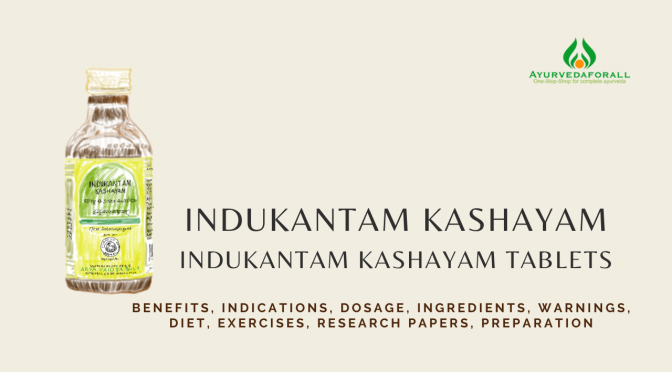


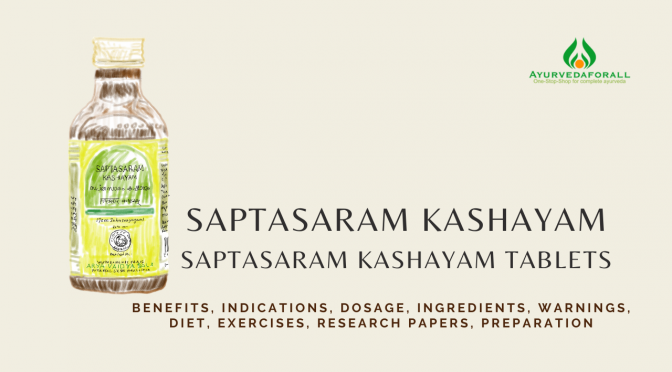


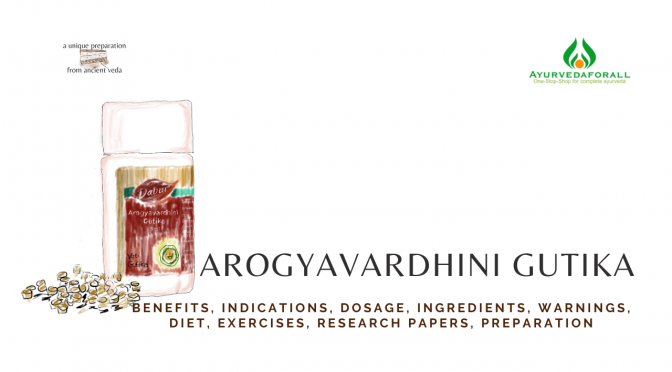


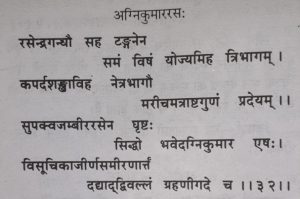


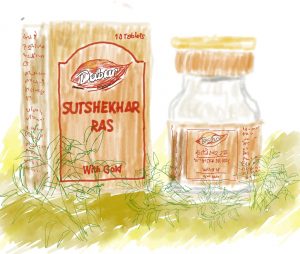



 Image: Dr. Niya Randeep
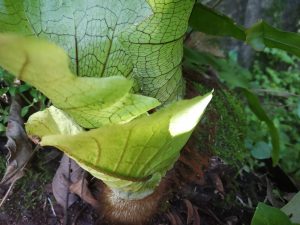 Image: Dr. Rajesh Nair
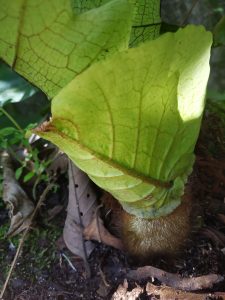 Image: Dr. Rajesh Nair
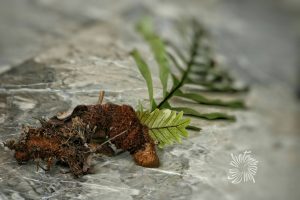 Image: Dr. Niya Randeep